
World Animal Day: Simple Ways to Support Wildlife and Animal Welfare
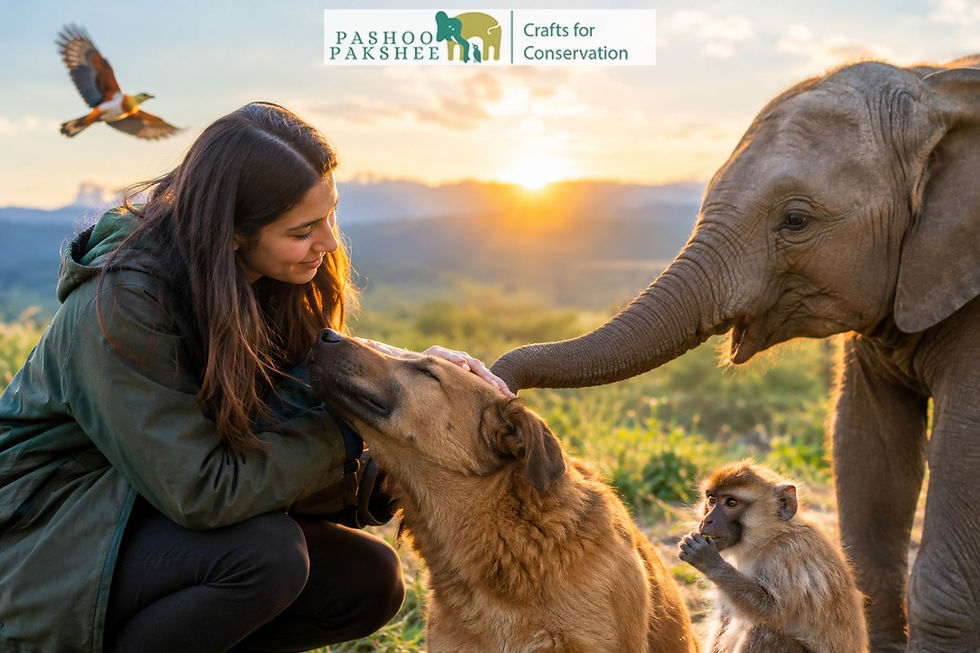
A monkey grabbing a packet of chips, a tourist chasing a deer for a photograph, or a plastic bottle left beside a forest trail may look like small moments. They are not. World Animal Day on October 4 and India's Wildlife Week from October 1 to 7 give us a reason to rethink these everyday choices.
The 2026 World Animal Day theme, “See the World Through Their Eyes,” asks a simple question: what would our actions look like if we considered the animal's needs first?
That question is surprisingly powerful.
Because helping wildlife does not always mean doing more. Sometimes, it means knowing when to leave an animal alone.
World Animal Day Meets Wildlife Week in India
World Animal Day has been observed on October 4 for decades, with its origins traced to an animal protection event organised by Heinrich Zimmermann in Berlin in 1925. The date is associated with Saint Francis of Assisi, traditionally linked with animals and nature.
India's Wildlife Week adds a local conservation focus to the same period. The Ministry of Environment, Forest and Climate Change lists Wildlife Week from October 1 to 7.
Together, they create a useful reminder: animals need more than admiration.
They need suitable habitats, responsible human behaviour and space to live naturally.
How Can We Help Animals and Wildlife?
1. Stop treating wild animals like pets
A wild monkey is not waiting for your biscuit.
A deer does not need your snack.
And that elephant beside the road does not need you to move closer for a better photograph.
Feeding wildlife can alter natural behaviour and expose animals to inappropriate food. The Central Zoo Authority specifically advises visitors not to feed or tease zoo animals and notes that human foods can adversely affect animals.
When you encounter wildlife:
Keep your distance.
Stay quiet.
Never offer food.
Do not chase animals for photographs.
Follow instructions from forest staff and guides.
A respectful sighting is a successful sighting.
2. Leave nature without leaving your rubbish
A forest trail can look pristine until one bright wrapper ruins the scene.
Carry your waste back. Reduce disposable plastic where possible. Do not leave bottles, food packaging or other rubbish behind.
And avoid collecting feathers, plants or other natural objects as souvenirs.
Take memories. Leave habitats intact.
3. Make wildlife tourism about observation, not pursuit
A responsible safari is not a competition to collect sightings.
If a tiger stays hidden, let it stay hidden.
If an elephant crosses the road, give it room.
If a bird disappears into the canopy, perhaps that is the end of the encounter.
Follow park rules, stay on permitted routes and never pressure drivers or guides to get closer to wildlife. Responsible travel protects both animals and the quality of the experience.
Protecting Wildlife Can Start at Your Window
You do not have to live beside a national park to notice wildlife.
Look at your own surroundings.
Which birds visit your balcony? When do butterflies appear? Which trees attract insects? What animals live quietly around your neighbourhood?
These observations can make National Wildlife Week meaningful for children too.
Choose one Indian species as a family and find out:
Where does it live?
What does it eat?
What threatens it?
Why does its habitat matter?
What can humans do differently?
No complicated activity required.
A notebook and a curious child can do plenty.
When Wildlife Becomes Part of Indian Craft
There is a fascinating relationship between India's natural world and its craft traditions.
Animals, birds and plants have inspired patterns, motifs and forms across Indian artistic traditions. Today, wildlife-inspired craft can offer another way to keep those stories visible in everyday life.
A handmade elephant is still a decorative object.
But it can also prompt a question about elephants.
A bird-inspired design can make someone look more closely at the birds outside their window.
That is the charm of Indian wildlife crafts. They connect appreciation for nature with human creativity and traditional making skills.
For readers who enjoy that intersection, PashooPakshee is a natural place to explore. Its handmade, wildlife-inspired pieces bring together nature, Indian craftsmanship and thoughtful gifting without requiring the recipient to be a dedicated wildlife expert.
What Are Meaningful Gifts for Animal Lovers?
The best wildlife gifts often carry a little story.
Instead of choosing something simply because it has an animal printed on it, consider the person's interests:
They love... | A thoughtful choice |
Indian wildlife | Handmade wildlife products |
Nature and forests | Nature gifts |
Children and learning | Wildlife gifts for kids |
Animal-inspired fashion | Animal inspired jewellery |
Nature-led interiors | Wildlife home décor |
A handmade piece can celebrate the animal that inspired it while also highlighting the skill of the person who created it.
That gives a gift another layer of meaning.
Teach Children to Observe, Not Disturb
Children are naturally fascinated by animals.
Use that curiosity.
Teach them that a bird's nest should be watched from a distance. A butterfly does not need to be caught. A wild animal should never be approached simply because it looks friendly.
Try a simple family challenge during Wildlife Week: spot three birds, identify two insects and find one plant you cannot name.
Then look them up together.
The lesson happens almost by itself.
A Better Way to Celebrate World Animal Day
You could donate. Volunteer. Learn about a local species. Support a responsible conservation initiative.
Or start smaller.
Carry your rubbish home.
Keep your distance from wildlife.
Choose responsible experiences when travelling.
Buy thoughtfully.
Teach a child to respect living creatures.
The 2026 theme, “See the World Through Their Eyes,” gives us a useful habit to carry beyond October 4. Before feeding, approaching, photographing or disturbing an animal, pause and ask:
“Would this choice help the animal, or simply please me?”
That tiny pause can change the way we travel, shop, teach and share space with other species.
World Animal Day is one date.
Respect for wildlife can be an everyday choice.
FAQs
What is World Animal Day and why is it celebrated?
World Animal Day is observed on October 4 to raise awareness about animal welfare and encourage action for animals worldwide.
How can we help animals and wildlife?
Respect wildlife boundaries, never feed wild animals, reduce litter, follow protected-area rules and support credible conservation initiatives.
What can I do to support animal welfare?
Learn about responsible animal care, support trustworthy welfare organisations and encourage compassionate treatment of animals.
How can we protect wildlife in our daily lives?
Reduce waste, avoid disturbing animals, learn about local species and make responsible choices when travelling or shopping.
What are the best gifts for animal lovers?
Meaningful choices can include handmade wildlife products, nature gifts, wildlife home décor, wildlife gifts for kids and animal inspired jewellery.


Comments